截止日期 2018-03-08
提供明信片:如题
想要明信片:随意
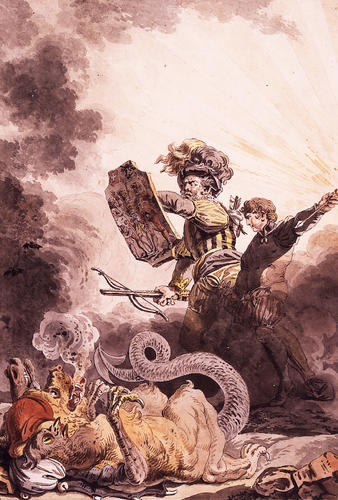
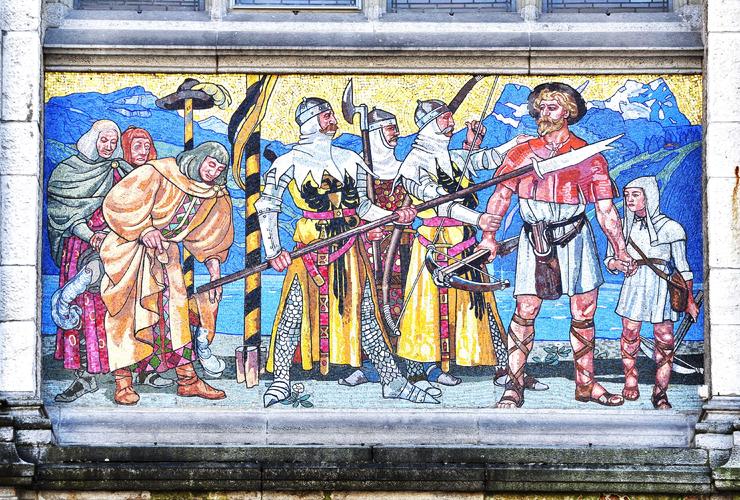
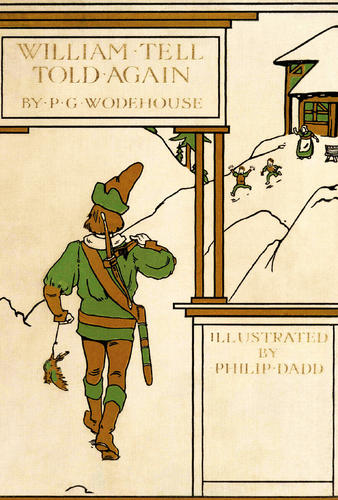
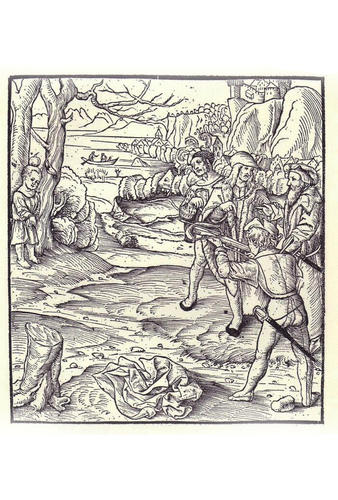
William Tell (in the four languages of Switzerland: German: Wilhelm Tell; French: Guillaume Tell; Italian: Guglielmo Tell; Romansh: Guglielm Tell) is a folk hero of Switzerland whose legend is recorded in the late 15th-century Swiss illustrated chronicles. It is set in the time of the Old Swiss Confederacy in the early 14th century. According to the legend, Tell was an expert marksman with the crossbow who assassinated Albrecht Gessler, a tyrannical reeve of the Habsburg Monarchy positioned in [Altdorf, in the canton of Uri. Tell is a central figure in Swiss patriotism, along with Arnold von Winkelried, as it was constructed during the Restoration of the Confederacy after the Napoleonic era. William Tell was known as a strong man, a mountain climber, and an expert shot with the crossbow. In his time, the House of Habsburg emperors of Austria were seeking to dominate Uri, and Tell became one of the conspirators of Werner Stauffacher who vowed to resist Habsburg rule. Albrecht Gessler was the newly appointed Austrian Vogt of Altdorf, Switzerland. He raised a pole under the village lindentree, hung his hat on top of it, and demanded that all the townsfolk bow before it.